Airport Guide has Terminal Maps for 300+ Airports
Airport Guide now has terminal maps for over 300 major worldwide airports.
Airport Guide now has terminal maps for over 300 major worldwide airports.
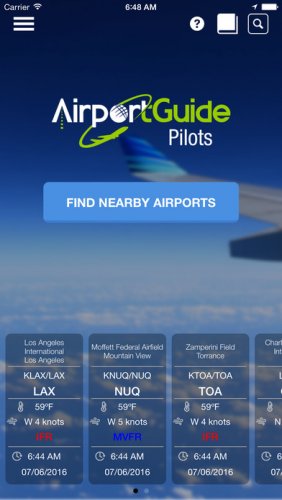
The first app for iPhone and iPad, developed by Airport Guide, is here and aptly named Airport Guide for Pilots in the iTunes App Store.
A heads up for everyone. After years of procrastination, the URL structure has been completely changed on the site.
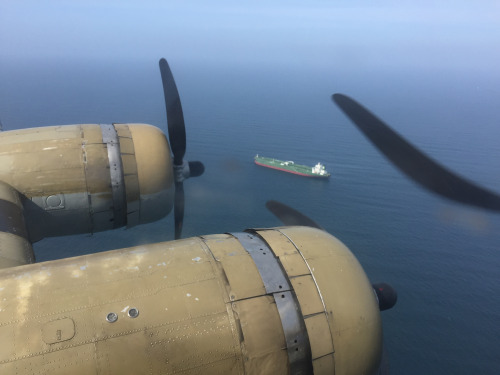
Took a flight on a B-17 out of Zamperini Field (KTOA) in Torrance, CA!!! What a rush that was. We had to take off sitting on the floor with these old seat belts due to FAA regulations. As soon as the plane lifted off we were free to explore the plane.

Traveling abroad for business can be beneficial, productive and exciting for your company. It can produce new business and networking opportunities, but it can also be hard on you. Especially if you are a business-travel novice.
Stay Connected
One of your most important considerations, especially for international business travel, is staying connected— to your office, to your contacts overseas and to anyone in the States who you rely on to conduct business. Start by managing your technology to preserve your ability to communicate en route: put your laptop, tablet, digital camera and anything else electronic in your carry-on luggage, rather than in your checked luggage. To make sure you have access to smartphone technology while traveling abroad, your best bet will be Internet-based solutions, which depend on data instead of cell technology. Voice-over-Internet Protocol (VOIP) applications like Skype let you make free calls to other users of these apps and very inexpensive calls to land lines and mobile phones— anywhere in the world. For text messaging, use free services like Google Voice.
Send Things Ahead
Sending materials ahead of time if you’ll be presenting at a conference may be a necessity or simply a convenience. Either way, one of the most important steps in the shipping process is international address verification. The last thing you want to worry about is undelivered mail.
Take Care of You
Jetlag is a common problem for business travelers. Drink plenty of water in the days before your trip, and cut back on alcohol and caffeine. If you’re going to a destination that requires more than 12 hours of air travel, stopping in a city en route for a night or a few hours or arriving early at your destination can help to break up your trip and allow your body to adjust to the time differences. Try to sleep and eat according to your new time zone, not the one you’re coming from.
Protection
To protect your data, files and presentation materials while traveling, Microsoft recommends these precautions:
Acclimate
Familiarize yourself of common cultural practices through books and videos before your trip. Take note of idioms (whether or not you speak the language of the country) and customs. You can even pass the time on the plane by reading up on the culture of your destination. If you can do this, you and the people you meet will all feel much more relaxed.
Corsair
The F4U Corsair is one of the greatest planes of WWII. You have to love those wings!

A nice article about landing at St. Barthelemy from Gary Walther of Tradewinds Aviation.
It’s 2007 and I am attempting to fly from Cape Town to New York City. I am quite a punctual person and a stickler for rules too. You want me there three hours before my international flight? Sure, no problem. So here I am, 3pm on a Thursday, standing in a line to check-in for my 6pm flight to JFK.
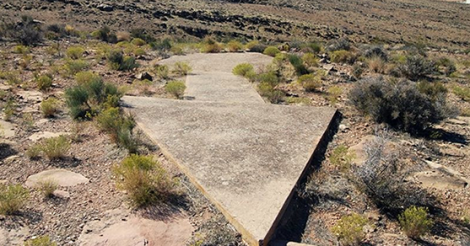
All over the USA, Seventy foot concrete arrows can be found in remote locations. Follow them, and they’ll point you out of the desert.
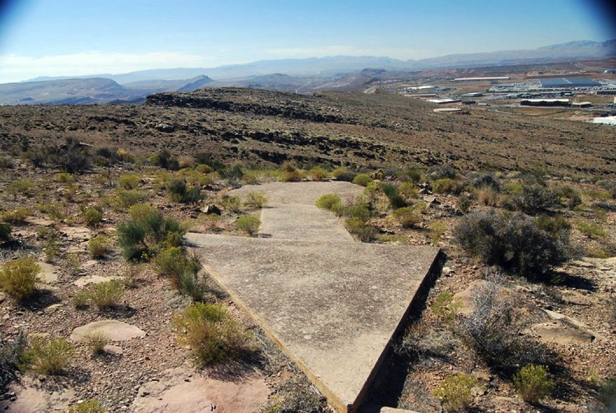
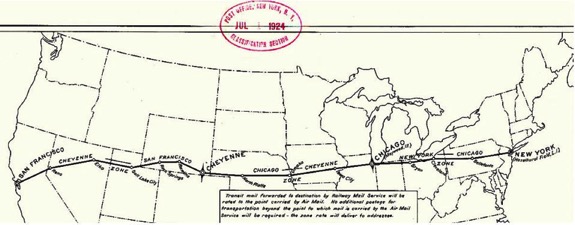
They come courtesy of the US Postal Service’s Air Force and will point you all the way across the continental United States.
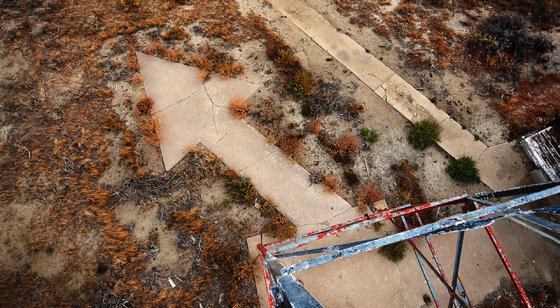
They were constructed in 1924 to guide postal planes in the right direction as they carried mail from coast to coast.
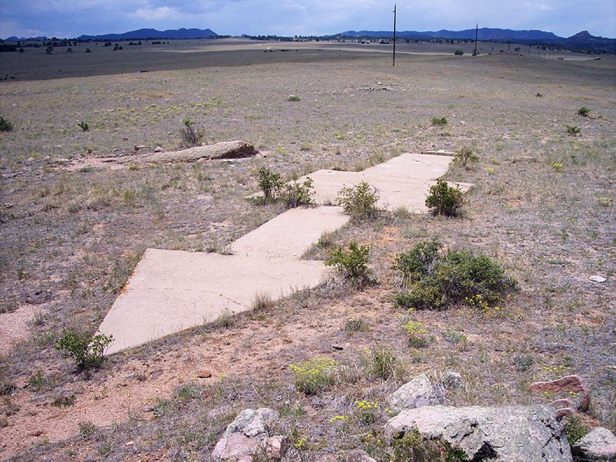
These old planes couldn’t rely on radio as much at the time, so they used these arrows, along with beacon towers, to navigate.
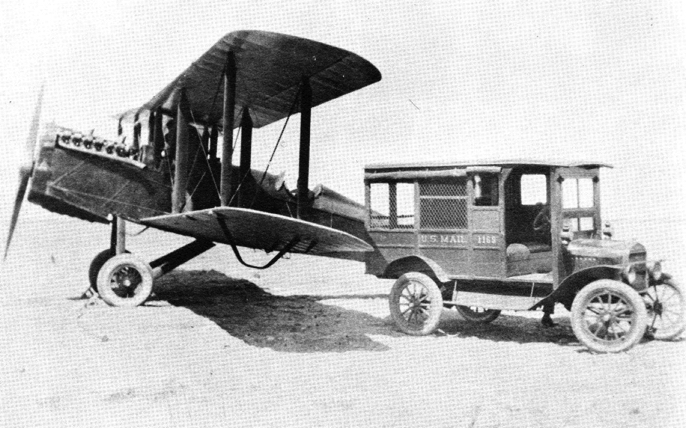
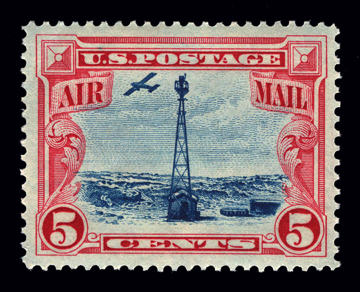
The arrows and beacons bisect the United States
from San Francisco to New York City.
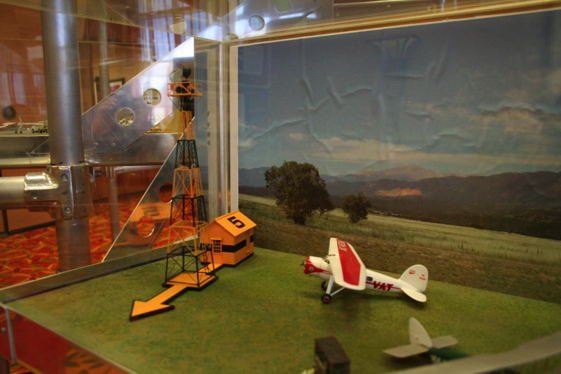
The towers were 50 feet tall and fixed with gas lights
that could be seen from 10 miles away, in order to help
lost pilots find their way.
This is a model of the arrows and towers in their heyday.
World War II brought new advances in radio technology effectively making the towers and arrows system obsolete. The towers were mostly dismantled.
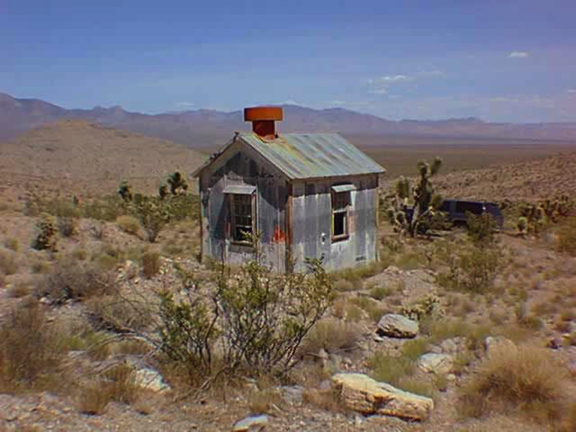
There has been an effort to restore and preserve some of them, however. Like this one in New Mexico complete with its generator shack.
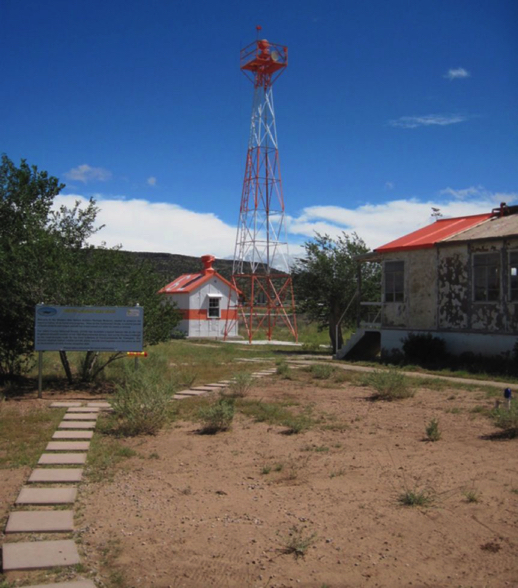
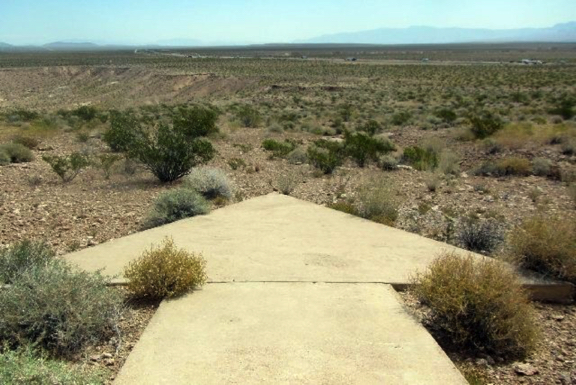
This is a pretty cool piece of history, even if it was short lived. To think of those early postal pilots navigating like this from coast to coast is mind blowing.

It is with great sadness to report that John Kounis, editor of Pilot Getaways magazine, has died at the age of 51. We have fond memories of John and his brother George as they peddled the streets trying to get subscriptions to their new magazine. Airport Guide holds the honored distinction of being their first advertiser.
R.I.P. John